




-
Catalog
Recommended
 ₹149.00
₹399.00
₹149.00
₹399.00
-
Best Selling

-
Offers


Why Essential Oils Are Expensive: The Real Reasons Behind the Price
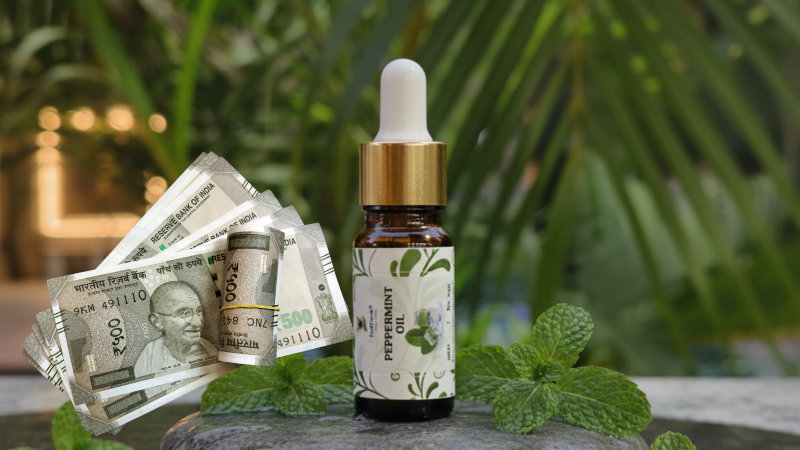
Essential oils are beloved for their therapeutic benefits, but shoppers frequently ask the same question:
Why are essential oils so expensive?
The answer isn’t just clever marketing—it's rooted in botany, science, labor, sustainability, and production methods. High-quality essential oils require intensive resources, specialized extraction, and massive botanical quantities to produce even a tiny amount of oil.
This guide breaks down the real reasons behind the price tag so you can shop smarter and appreciate the true value of pure essential oils.
1. It Takes a LOT of Plant Material to Produce One Bottle
Some essential oils require enormous quantities of plants.
Examples:
-
Rose oil: ~10,000–12,000 rose petals for 1 teaspoon
-
Lavender oil: ~3 lbs of flowers for 15 ml
-
Lemon oil: ~75 lemons for one small bottle
-
Melissa (lemon balm): extremely low-yield plant → very costly
Because the oil yield is so low, production costs skyrocket.
2. The Extraction Process Is Expensive & Time-Consuming
There are three common extraction methods:
• Steam Distillation
Used for most flowers, leaves, and herbs.
Requires specialized equipment, high energy use, and skilled operators.
• Cold Pressing
Used for citrus peels.
More affordable, but still labor-intensive.
• Solvent or CO₂ Extraction
Used for delicate botanicals (jasmine, vanilla).
Produces high-quality oils—but at a much higher cost.
The more delicate the plant, the more complex (and expensive) the extraction.
3. Climate, Soil & Growing Conditions Add to the Price
Not all plants can grow anywhere—and this impacts cost.
Factors affecting pricing:
-
Unique climates (e.g., frankincense grows only in certain African & Arabian regions)
-
Limited growing seasons
-
Soil mineral composition
-
Drought, storms, and crop failures
-
Ethical wild-harvesting practices
A poor harvest year means higher prices for everyone.
4. Labor-Intensive Harvesting
Some botanicals must be:
-
Harvested by hand
-
Picked early in the morning
-
Processed the same day
-
Collected at peak bloom
Delicate flowers like rose, jasmine, and neroli require skilled laborers—large teams who hand-pick petals for hours.
This significantly increases production costs.
5. Sustainability & Ethical Sourcing
Plants like sandalwood, frankincense, and palo santo face overharvesting risks.
Reputable brands invest in:
-
Sustainable farming
-
Fair-trade labor practices
-
Regenerative agriculture
-
Long-term ecosystem protection
Sustainability ≠ cheap.
But it ensures better quality and a healthier planet.
6. Purity Standards & Third-Party Testing
High-quality essential oils undergo rigorous testing:
-
GC/MS testing
-
Heavy metal screening
-
Adulteration detection
-
Purity and potency verification
Testing is expensive—but crucial for consumer safety.
Cheap oils often skip this step, risking contamination, dilution, or synthetic additives.
7. Not All Oils Cost the Same to Produce
Some oils are abundant (like peppermint).
Others are rare, delicate, or low-yielding.
Low-cost oils:
-
Peppermint
-
Eucalyptus
-
Tea tree
-
Lemongrass
High-cost oils:
-
Rose
-
Neroli
-
Sandalwood
-
Melissa
-
Jasmine
-
Blue Tansy
Price differences reflect genuine variations in production difficulty—not just branding.
8. Cheap Oils Are Often Adulterated or Synthetic
If an essential oil seems too cheap to be true, it usually is.
Cheap oils may be:
-
Diluted with vegetable oils
-
Mixed with synthetic fragrance
-
Stretched with chemical solvents
-
Poorly distilled
-
Made from low-grade plant material
Pure essential oils will naturally cost more—but they also perform better and are safer for skin and aromatherapy.
Why Pure Essential Oils Are Worth the Investment
-
Higher therapeutic value
-
Better skin compatibility
-
Stronger, more natural aroma
-
Safer for diffusing and topical use
-
Longer-lasting potency
A few drops of a high-quality essential oil often replace dozens of drops of a synthetic blend.
Final Thoughts: The True Value Behind Essential Oils
Essential oils are expensive because they require:
-
Massive quantities of botanicals
-
Skilled labor
-
Specialized extraction
-
Quality testing
-
Sustainable farming
-
Ethical sourcing
When you purchase a premium essential oil, you aren’t just buying a scent—you’re supporting responsible agriculture, fair labor, science-backed purity, and centuries of botanical craftsmanship.
Pure essential oils are potent, powerful, and precious—and their price reflects that.
2 Comment(s)
1
1
Leave a comment